The buzz surrounding inflammation and its connection to chronic diseases and health conditions like arthritis, diabetes, obesity, gut issues and heart disease may leave you wondering "What is an anti-inflammatory diet?" and "Should I be following it?"
An anti-inflammatory diet is all about eating more of the foods that help to squash inflammation in the body, while limiting the foods that tend to increase inflammation, thus helping to combat inflammatory conditions. The diet emphasizes lots of colorful fruits and vegetables, high-fiber legumes and whole grains, healthy fats (like those found in salmon, nuts and olive oil) and antioxidant-rich herbs, spices and tea, while limiting processed foods made with unhealthy trans fats, refined carbohydrates (like white flour and added sugar) and too much sodium.
In this healthy 1,200-calorie meal plan, we pull together the principles of anti-inflammatory eating to deliver a week of delicious, wholesome meals and snacks, plus meal-prep tips to set you up for a successful week ahead.
Because inflammation can be caused by plenty of other factors besides food, like low activity levels, stress and lack of sleep, incorporating healthy lifestyle habits into your daily routine can also help prevent inflammation. To get the most anti-inflammatory benefits, pair this healthy meal plan with regular physical activity (aim for 2 1/2 hours of moderate activity per week), stress-relieving practices (like yoga, meditation or whatever works best for you), and a good night's sleep every night (at least 7 hours per night). Whether you're working to actively decrease inflammation or are simply looking for a wholesome eating plan, this 7-day anti-inflammatory meal plan can help.
Get the Printable Shopping List!
How to Meal-Prep Your Week of Meals:
A little meal prep at the beginning of the week will set you up for healthy-eating success.
Prep the Vegan Superfood Buddha Bowls to have for lunch on Days 2, 3, 4 and 5. Refrigerate bowls and dressing separately for up to 4 days. Wait to add avocado until ready to eat to prevent browning.
Make the Turmeric-Ginger Tahini Dip to have with snacks throughout the week.
Day 1
Walnut Rosemary Crusted Salmon
Anti-Inflammatory Bonus: Foods high in omega-3 fatty acids, such as salmon, sardines and albacore tuna, have been shown to decrease inflammation levels. Aim to include at least two 3-ounce servings of fish high in omega-3 fatty acids each week.
Breakfast (287 calories)
1 serving Blueberry-Banana Overnight Oats
1 cup green tea
A.M. Snack (31 calories)
1/2 cup blackberries
Lunch (325 calories)
1 serving Green Salad with Edamame & Beets
P.M. Snack (117 calories)
2 Tbsp. Turmeric-Ginger Tahini Dip
1 medium carrot, cut into sticks
Dinner (442 calories)
1 serving Walnut-Rosemary Crusted Salmon
1 serving Roasted Squash & Apples with Dried Cherries & Pepitas
Daily Totals: 1,202 calories, 57 g protein, 131 g carbohydrate, 30 g fiber, 54 g fat, 1,520 mg sodium
Day 2
Indian-Spiced Cauliflower & Chickpea Salad
Anti-Inflammatory Bonus: Vitamin C, an antioxidant, has anti-inflammatory benefits because it helps decrease harmful free radical cells that may trigger inflammation. Studies show that people who have diets high in vitamin C have lower levels of the inflammatory marker C-reactive protein as well as lower risk of inflammatory disease, like gout and heart disease. Today's Raspberry-Kefir Power Smoothie provides 45 percent of the recommended daily value for Vitamin C!
Breakfast (249 calories)
1 serving Raspberry-Kefir Power Smoothie
A.M. Snack (28 calories)
1/3 cup blueberries
Lunch (381 calories)
1 serving Vegan Superfood Buddha Bowl
P.M. Snack (9 calories)
1/2 cup sliced cucumber seasoned with a pinch each of salt & pepper.
5 ounces unsalted canned albacore tuna, in water (drained)
Top salad with tuna.
Evening Snack (156 calories)
1 ounce dark chocolate
Daily Totals: 1,215 calories, 70 g protein, 143 g carbohydrate, 35 g fiber, 47 g fat, 1,054 mg sodium
Day 3
3 Ways to Limit Processed Foods (& The Ones You Should Keep In Your Diet)
Anti-Inflammatory Bonus: Anthocyanins are powerful antioxidant compounds found in dark blue, red and purple fruits and vegetables, as well as red wine. Research shows that anthocyanins play a role in decreasing inflammation markers, which can reduce risk of cancer and heart disease. Keep frozen berries on hand for an anti-inflammatory boost to your morning smoothies or oatmeal so you can get the benefits even when they are not in season.
Daily Totals: 1,212 calories 77 g protein, 97 g carbohydrate, 28 g fiber, 63 g fat, 813 mg sodium
Day 4
Vegan Superfood Buddha Bowls
Anti-Inflammatory Bonus: Eating dark chocolate and cocoa in moderation may reduce inflammation markers and improve heart health. Cocoa is rich in the flavonol quercetin, which is a powerful antioxidant that protects our cells and the reason dark chocolate is an important component in the anti-inflammatory diet. Incorporate one 1-ounce square a day of the darkest chocolate you can find to maximize benefits.
Breakfast (222 calories)
1 serving Cocoa-Chia Pudding with Raspberries
A.M. Snack (109 calories)
1/2 cup low-fat plain Greek yogurt
1/4 cup blueberries
Lunch (381 calories)
1 serving Vegan Superfood Buddha Bowl
P.M. Snack (9 calories)
1/2 cup sliced cucumber
Pinch of salt
Pinch of pepper
Dinner (472 calories)
1 serving Stuffed Sweet Potato with Hummus Dressing
Daily Totals: 1,191 calories, 56 g protein, 168 g carbohydrate, 49 g fiber, 39 g fat, 1,100 mg sodium
Day 5
Korean Steak, Kimchi & Cauliflower Rice Bowls
Anti-Inflammatory Bonus: Probiotics, like those found in kimchi, yogurt, kefir and kombucha, help support a healthy gut. Research shows a healthy gut improves our immune systems, helps maintain a healthy weight and reduces inflammation. Also, be sure to also include prebiotics, which are indigestible plant fibers found in foods like garlic, onions and whole grains that help provide fuel to good bacteria to optimize our gut health.
Breakfast (249 calories)
1 serving Raspberry-Kefir Power Smoothie
A.M. Snack (2 calories)
1 cup green tea
Lunch (381 calories)
1 serving Vegan Superfood Buddha Bowl
P.M. Snack (58 calories)
1 Tbsp. Turmeric-Ginger Tahini Dip
3/4 cup sliced cucumber
Dinner (414 calories)
1 serving Korean Steak, Kimchi & Cauliflower Rice Bowl
Evening Snack (120 calories)
5 ounces red wine
Daily Totals: 1,224 calories, 57 g protein, 112 g carbohydrate, 28 g fiber, 53 g fat, 1,067 mg sodium
Day 6
edamame and beet salad with fresh herbs and spring mix on a plate
Anti-Inflammatory Bonus: More than 20 percent of U.S. adults are affected by some form of arthritis, which is an inflammatory disease of the joints, which is often treated with a combination of an anti-inflammatory diet and prescription medication. The best anti-inflammatory diet for arthritis includes plenty of magnesium-research shows that it decreases inflammation and helps maintain joint cartilage . Most Americans do not get enough magnesium, so be sure to include plenty of legumes, nuts, whole grains, dark green leafy vegetables and seeds to ensure adequate intake.
Breakfast (249 calories)
1 serving Raspberry-Kefir Power Smoothie
A.M. Snack (157 calories)
12 walnut halves
Lunch (325 calories)
1 serving Green Salad with Edamame & Beets
P.M. Snack (78 calories)
1/2 ounce dark chocolate
Dinner (401 calories)
1 serving Hummus-Crusted Chicken
1 serving Blistered Broccoli with Garlic and Chiles
Meal-Prep Tip: Cook and reserve extra chicken to have with lunch tomorrow. You'll need 2 cups chopped cooked chicken.
Daily Totals: 1,209 calories, 73 g protein, 94 g carbohydrate, 28 g fiber, 63 g fat, 1,245 mg sodium
Day 7
One-Pot Garlicky Shrimp & Spinach
Anti-Inflammatory Bonus: A diet high in fiber will have a lower glycemic index, which is a measure of how foods impact our blood sugars. Fiber is digested slowly, which keeps us full and improves blood sugar control. An added bonus-eating foods lower on the glycemic index may help reduce levels of C-reactive protein, which is a marker for inflammation. This healthy anti-inflammatory plan provides at least 28 grams of fiber every day.
Breakfast (292 calories)
1 serving Cocoa-Chia Pudding with Raspberries
1 Turmeric Latte
A.M. Snack (42 calories)
1/2 cup blueberries
Lunch (350 calories)
1 serving Avocado Egg Salad Sandwiches
P.M. Snack (116 calories)
15 unsalted almonds
Dinner (448 calories)
1 serving One-Pot Garlicky Shrimp & Spinach
1 cup cooked quinoa
Daily Totals: 1,209 calories, 62 g protein, 128 g carbohydrate, 32 g fiber, 55 g fat, 1,362 mg sodium
Diet Soda on Keto | Gut Health | Fat Storage | Cravings | Insulin Response | Weight Gain | Keto-Friendly Drinks | Alcohol | Diet Coke and Ketosis | Conclusion | FAQ | References
There are a lot of confusing and unanswered questions about diet soda on keto.
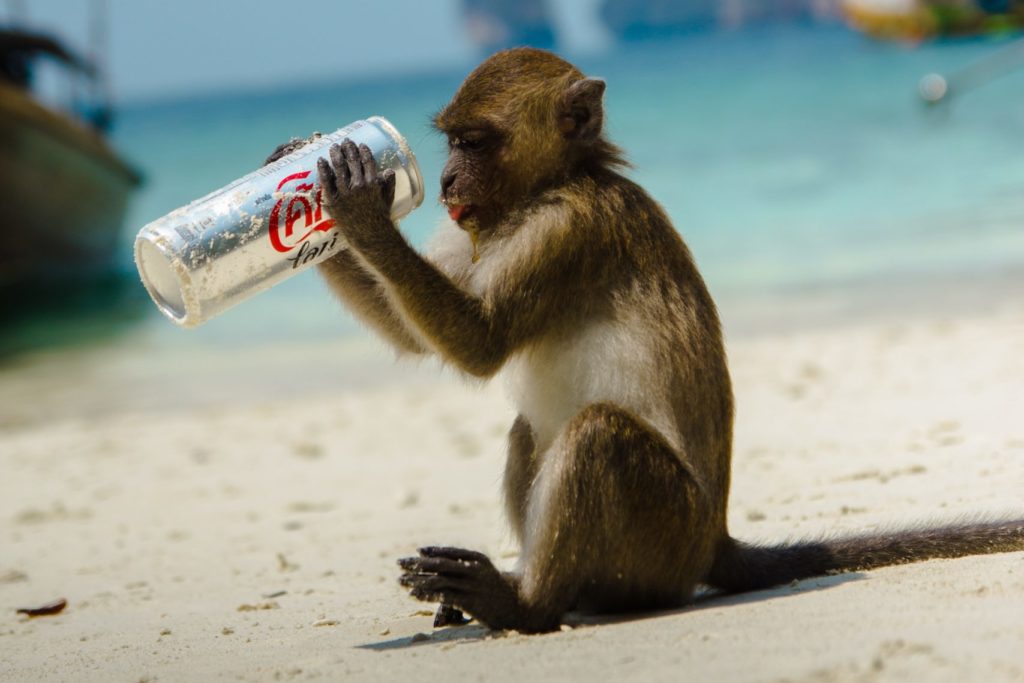
Is diet soda bad for you? Is diet soda keto? What are diet soda vs. regular soda benefits? Does diet soda on keto help with weight loss? Why do obese people drink diet soda? And why do they consume incredible amounts?
Fortunately, I am bringing clarity to the topic in the following science-backed article.
So, you might have come here because you are sick of drinking plain water to support your low-carb high-fat ketogenic diet.
Therefore, diet soda seems to be a legit alternative – zero grams of net carbs, zero grams of protein, zero calories, and some sodium.
Can You Drink Diet Soda on Keto?
We are talking about synthetically colored carbonated water with artificial sweeteners and other synthetic additives. But non-caloric beverages without added sugar and carbohydrates are keto-friendly – is it that easy?
No. Therefore, I am going to have a more in-depth look at natural and artificial sweeteners to give you the top five evidence-based arguments why diet soda on keto is a bad idea
Moreover, I will propose keto-friendly-beverages you can drink instead. Finally, we will have a look on alcohol, diet coke, and ketosis.
1. Diet Soda on Keto Is Bad for Gut Health
Synthetic sweeteners in diet soda like aspartame, saccharin, sucralose, and others are known to alter your gut microbiome.
They are killing so-called "good" microbes while supporting the overrun of your gut microflora with harmful bacteria (Gundry et al. 2017).
Saccharin, sucralose, and also the natural sweetener stevia are known to change the composition of the gut microbiome (Ruiz-Ojeda et al. 2019).
According to research, a single package of the sucralose-based sweetener Splenda eradicates 50 percent of healthy gut microflora (Abou-Donia et al. 2008).
With this in mind, such a rise of "bad" gut microbes is causing an immunological reaction in the body resulting in fat storage and weight gain with diet soda intake.
Furthermore, there's been an additional artificial sweetener on everyone's lips recently called acesulfame potassium. So, what is acesulfame potassium?
It's the second artificial sweetener besides aspartame in coke zero, while diet coke only uses aspartame. Hence, acesulfame potassium is not the same as aspartame on keto.
Nevertheless, it's as sweet as aspartame and 200 times sweeter than table sugar.
But compared to sucralose, acesulfame K is just one-third as sweet. Given that it's more resistant to heat and acids than aspartame, does that make acesulfame potassium keto?
Certainly not. Instead, acesulfame potassium's side effects are dangerous and it isn't safer than other artificial sweeteners on keto.
Likewise, recent research revealed that acesulfame potassium also alters the gut microbiome. Additionally, it supports body weight gain (Bian et al. 2017).
And the nail in the coffin is that acesulfame potassium on keto might even affect your cognitive brain function (Ibi et al. 2018).
In short, acesulfame potassium is as bad for you as aspartame on keto.
While many people think diet soda supports weight loss, the opposite is true.
Gut Health – Summary
Artificial and natural sweeteners are changing your gut microbiome health for the worse. Consequently, diet soda is bad for you in general.
2. Sweet Taste Is a Fat Storage Signal
From a historical perspective, sweet taste used to be rare. Nature provided sweet taste in the form of ripe summer fruits and honey. Moreover, in medieval times, honey was the only sweetener.
Fruits and honey rich in fructose – a significant driver of insulin resistance in liver cells and obesity – could have been our Stone Age ancestors' ticket for survival.
If they found something sweet, nature made sure that humans ate it.
Not to mention that today's fruits are candy on a tree compared to their ancestral versions. For example, the apples of the middle ages (crap apples) were almost inedible, and wild strawberries used to be way smaller.
The first sugar cane plantations evolved in the days of the crusaders. Since it was a luxury good until the 19th century, sugar was mainly used for medicine and rarely to cook.
Consequently, people didn't eat sweet dishes at all.
For hundreds of thousands of years, sweet taste was seasonal and of limited availability due to natural events.
Therefore, our bodies still realize it as an evolutionary signal for storing fat to survive wintertime. But thanks to artificial sweeteners and sugar, our bodies are experiencing an endless summer.
Since it disturbs its circadian clock, the 24/7 availability of sweet taste is comparable with a jet lag to the human body.
Besides the 24 hours based circadian clock, there's also one tied to the moon cycle representing a sense for seasons (Gundry et al. 2017).
Fruit season used to be vital for survival. But since evolutionary yesterday, we are disrupting the circadian rhythm.
Because we are consuming dietary fructose and sweetened drinks like diet coke all year round, we are gaining weight.
Body Fat – Summary
The sweet taste is an evolutionary signal to the body, stimulating fat storage to survive winter. Since it's not about sugar, non-caloric sweeteners are effectively promoting body fat.
3. Diet Soda Promotes Cravings on Keto
Did you ever ask yourself why we are so sensitive to sweetness and why it seems to be the most addictive taste? An excellent reason is that two-thirds of our taste buds are responsible for sweet taste.
The big caveat to the evolutionary sensitivity to sweetness is that not just sugar molecules but also those of artificial sweeteners bind to the tongue's receptors. In other words, diet soda makes our brain greedy for sweet taste.
Because compared to salty taste, sweetness has a positive feedback system. It's more likely to get you addicted. The more you consume, the more you crave.
If the brain awaits sweetness and therefore, glucose, but it gets non-caloric sweeteners, it overcompensates in more appetite and cravings for sweet food (Yang 2010).
Moreover, functional magnetic resonance imaging studies showed that sucralose does not fully activate the brain's reward center like glucose does (Smeets et al. 2005).
Consequently, the brain strives towards the full activation of the reward center, making it more likely to develop cravings and a bad habit of eating sweets.
With that in mind, researchers have also found that exchanging caloric beverages with diet soda does not lead to overall calorie reduction due to increased appetite (Bellisle et al. 2007).
Recently scientists at Yale University found that the intensity of sweetness indicates the amount of energy preserved in food to our brains.
Therefore, the signal representing nutritional value and the metabolic response can be confused by drinking diet soda.
Since a sweetened non-caloric drink can trigger a more significant metabolic response than a sugary beverage, diet soda on keto is a bad idea (Veldhuizen et al. 2017).
Cravings –Summary
Artificial sweeteners are confusing our brains by only partially stimulating the reward center and fostering cravings for sweets. Furthermore, the metabolic response is irritated due to missing nutritional value in diet soda.
4. Even Coke Zero Raises Insulin Levels on Keto
Insulin, not calories or lack of physical activity, is the ultimate driver of obesity. With this in mind, it does not matter if food is raising blood sugar levels as long as it elevates insulin (Fung 2016).
Therefore, we need to have a look at the insulin response to artificial sweeteners. Sucralose doesn't bring any glucose or calories into your body, but it elevates insulin levels by 20 percent.
Likewise, other artificial sweeteners as well as natural sweeteners like stevia stimulate insulin (Pepino al. 2013).
Nevertheless, the common sweeteners aspartame and stevia almost don't have an impact on blood sugar levels. But they raise insulin more significantly than table sugar does (Anton et al. 2010).
Although diet drinks on keto may not bring any additional carbs, sugar, or even calories , they encourage your body to produce insulin. And the hormone induces weight gain.
Since diet soda raises insulin levels Coke Zero can affect ketosis, intermittent fasting, and promote weight gain thanks to the storage hormone.
A single diet coke might not kick you out of ketosis, but a significant amount can do.
Furthermore, diet coke on keto increases the risks of metabolic syndrome, strokes, and heart attacks.
Insulin –Summary
Non-caloric sweeteners can elevate insulin levels more than regular sodas. Consequently, you are promoting modern diseases and weight gain by drinking diet soda on keto.
5. Diet Soda Promotes Weight Gain on Keto
Here's a general question induced by statistical evidence. If diet soda is at least neutral in terms of weight gain, why did its consumption and obesity skyrocket in the last decades?
The University of Texas Health Sciences Center at San Antonio found that instead of supporting weight loss, the probability of weight gain with diet soda consumption increased by a mind-blowing 47 percent.
Dr. Sharon Fowler, who was leading the study, concluded that artificial sweeteners' side effect is the fueling rather than the mitigation of the current obesity epidemic (Fowler et al. 2008).
Moreover, the American Cancer Society aimed at demonstrating that diet soda fosters weight loss surveying 78,694 women during an epidemiology study.
But the outcome wasn't what they expected. Women consuming artificial sweeteners were significantly more likely to gain weight (Stellman and Garfinkel 1986).
And the list goes on. The Framingham Heart Study found that diet soda consumers are 50 percent more likely to develop metabolic syndrome (Dhingra et al. 2007).
Furthermore, the Atherosclerosis Risk in Communities Study (ARIC) showed a 34 percent higher incidence of metabolic syndrome for diet soda users (Lutsey and Steffen et al. 2008).
But artificial sweeteners don't just increase the risk of obesity.
The Women's Health Initiative Observational Study observed 59,614 women over 8.7 years. The outcome? Participants drinking two or more diet sodas per day faced a 30 percent higher risk of cardiovascular events (ACC 2014).
And that's consistent with a study conducted at the University of Miami, yielding a 43 percent increase in strokes and heart attacks for diet soda users (Gardener et al. 2012).
Do you see why diet soda on keto is a bad idea? Because there are heaps of evidence that it significantly supports weight gain and the risk of cardiovascular diseases.
Diseases –Summary
Diet soda isn't supporting weight loss at all. Instead, it fosters weight gain, diabetes, and strokes and heart attacks.
Keto-Friendly Diet Soda Alternatives
Since we have concluded that we shouldn't have diet soda on keto, it's time to come up with keto-friendly beverages as alternatives.
Moreover, the impact of alcohol and diet coke on ketosis is not apparent and often misjudged. Therefore, I have to tackle these topics for you in more detail.
What You Can Drink Instead of Diet Soda on Keto
It's not always easy to bring variety and flavor into drinks on a keto diet. Therefore, the following keto-friendly beverages are excellent for hydration and can even help to suppress hunger.
So here's a list of what you can drink on the keto diet and an intermittent fasting schedule without regrets:
Water with a squeeze of lemon or lime
Water with slices of oranges or cucumber
Carbonated Water
Mineral Water
Black Coffee
Black Decaf Coffee
Green Tea
Black Tea
Oolong Tea
White Tea
Herbal Tea (check ingredients for sweeteners and fruits)
Diluted Apple Cider Vinegar
And remember, all these beverages are keto-friendly as long as not sweetened and without milk. If you want to substitute milk and are not fasting, you can go for:
Heavy Whipping Cream
Gras-fed Butter
Ghee
Coconut Milk
Coconut Oil
MCT Oil
Moreover, you can also safely add cinnamon or nutmeg for flavor.
Additionally, here's a list of beverages that you might think are keto-friendly but aren't:
Diet Soda
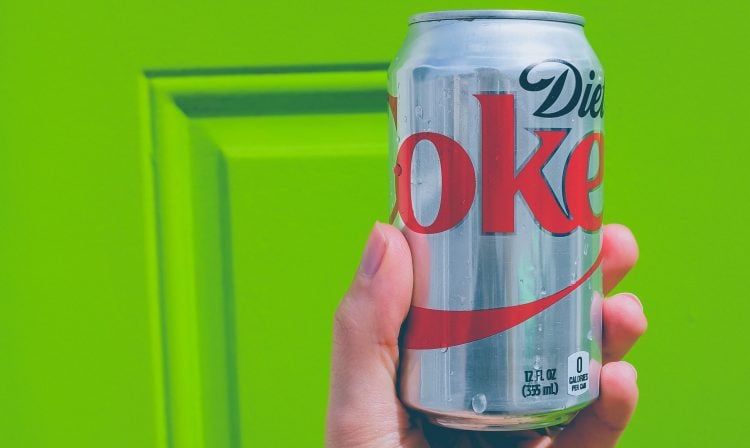
Diet Coke
Coke Zero
Zero Drinks
Energy Drinks
Zero Energy Drinks
Sugar-Free Energy Drinks
Vitamin Water
Vitamin Water Zero
Protein Shakes
Iced Coffee Drinks
Smoothies
Freshly-squeezed juices
Since separating the protective fiber in fruits from fructose and glucose can result in an insulin spike, "natural" juices are out. Moreover, a load of fructose contributes to insulin resistance and fatty liver.
Keto-Friendly Drinks and Alcohol
Alcohol on keto 🥃 can inhibit your liver from focusing on other metabolic tasks.
But if you want to have alcohol on rare occasions, keep your hands off cocktails 🍹.
Always prefer pure liquor with sparkling water over cocktails. In short, don't add fructose and glucose to the alcohol.
Wine 🍷 is more convenient since it contains less residual sugar than you might think if it's a dry white wine:
Chardonnay
Sauvignon Blanc
Pinot Grigio
Nevertheless, I prefer dry red wine because of its many antioxidants. But how much red wine is healthy?
According to research, 3 ounces or 0.7 glasses of red wine yield lowest heart disease risk for women, while it's 6 ounces or 1.4 glasses a day for men (Corrao et al. 2000).
And the best time to drink red wine is with meals because it prevents blood pressure, glucose, and insulin levels from rising (Shai et al. 2007).
So, which red wine is dry and has the least sugar?
In contrast, beer 🍺 is a worse choice, since more carbohydrates accompany alcohol. If you still want to have a beer, pick quality over quantity.
For example, craft beer has higher quality ingredients and comes in smaller portions.
Although alcohol is traditional on many celebrations, keep the amount and time frame of consumption small. Therefore, start drinking water before overconsuming and feel better the next day.
Since I tested blood ketone levels a lot, the surprising bottom line is that pure alcohol doesn't impair ketosis as long as not combined with sugars, other carbs, or consumed excessively.
Will Diet Coke Kick Me Out of Ketosis?
Since we know that aspartame in diet coke raises insulin levels, it's not generally safe for keto (Anton et al. 2010).
Nevertheless, one single diet coke will not necessarily kick you out of ketosis if you're fat-adapted.
What does this mean in practice?
If there is an occasion where you have to choose between a single diet coke or regular coke, pick the diet coke. Similarly, a single coke zero is also less likely to kick you out of ketosis.
But if you overconsume on artificial sweeteners, you'll be kicked out of ketosis too. So let diet coke on keto be the exception – a single can if there is no keto-friendly beverage option.
Moreover, the negative impacts of diet coke on overall health and cravings might even outweigh the consumption of regular coke in the long run.
PIN ME FOR LATER
👇👇👇👇
Diet Soda Will Impair Your Progress on Keto
The bottom line is that diet soda on keto helps us to store fat more efficiently while endangering cardiovascular and gut health.
On top of that, diet drinks on keto promote cravings for sweets – no matter what kind of natural or artificial sweetener they use.
Yes, diet soda might have zero carbohydrates, sugar, and calories. But artificial sweeteners on keto can have the same negative impact as common sugar by triggering an insulin response.
Therefore, diet soda can break a fast.
Adding human-made synthesized chemicals to your diet to reduce carbs doesn't make sense for safety reasons, even in small amounts.
Diet soda vs. regular soda? The inconvenient truth is to go with real hydration that isn't a meal and won't break a fast.
Coffee and green tea are great choices since they stimulate metabolism and weight loss while reducing appetite. Carbonated mineral water is also viable and helps with noisy stomachs.
Want more flavor in your diet? A squeeze of lime or lemon, as well as slices of oranges or cucumbers, are excellent and safe choices.
Diet Soda on Keto FAQ
Can you drink diet soda on keto?
No, because even non-caloric sweeteners like sucralose and stevia trigger an insulin response, promote fat storage, and cravings.
What can I drink on keto diet?
Coffee ☕ and green tea 🍵 are great drink choices on keto since they stimulate metabolism and weight loss while reducing appetite. Carbonated mineral water is also viable and helps with noisy stomachs.
Does aspartame affect ketosis?
While aspartame doesn't have an impact on blood sugar levels, it can raise insulin more significantly than table sugar. Hence, it can kick you out of ketosis.
Will diet soda kick me out of ketosis?
A single diet soda might not kick you out of ketosis, but non-caloric artificial sweeteners in diet soda raise insulin levels. Therefore, large consumption of diet soda will kick you out of ketosis.
What is the difference between Diet Coke and Coke Zero?
The sweeteners in Coke Zero are aspartame and acesulfame potassium, while Diet Coke just contains aspartame. Instead of citric acid in Diet Coke, there's potassium citrate in Coke Zero.
Can you drink an energy drink while fasting?
No, you can't drink energy drinks while fasting intermittently, since even sugar-free diet drinks cause an insulin response. Hence, energy drinks can break your fast and are not keto-friendly.
References
A – Ga
Abou-Donia MB, El-Masry EM, Abdel-Rahman AA, McLendon RE, Schiffman SS. Splenda alters gut microflora and increases intestinal p-glycoprotein and cytochrome p-450 in male rats. J Toxicol Environ Health A. 2008;71(21):1415-29. doi: 10.1080/15287390802328630. PubMed PMID: 18800291.
American College of Cardiology. Too many diet drinks may spell heart trouble for older women, study suggests. ScienceDaily. 2014 Mar 29; Retrieved 2019 Oct 9 from www.sciencedaily.com/releases/2014/03/140329175110.html
Anton SD, Martin CK, Han H, Coulon S, Cefalu WT, Geiselman P, Williamson DA. Effects of stevia, aspartame, and sucrose on food intake, satiety, and postprandial glucose and insulin levels. Appetite. 2010 Aug;55(1):37-43. doi: 10.1016/j.appet.2010.03.009. Epub 2010 Mar 18. PubMed PMID: 20303371; PubMed Central PMCID: PMC2900484.
Bellisle F, Drewnowski A. Intense sweeteners, energy intake and the control of body weight. Eur J Clin Nutr. 2007 Jun;61(6):691-700. doi: 10.1038/sj.ejcn.1602649. Epub 2007 Feb 7. Review. PubMed PMID: 17299484.
Bian X, Chi L, Gao B, Tu P, Ru H, Lu K. The artificial sweetener acesulfame potassium affects the gut microbiome and body weight gain in CD-1 mice. PLoS One. 2017;12(6):e0178426. doi: 10.1371/journal.pone.0178426. eCollection 2017. PubMed PMID: 28594855; PubMed Central PMCID: PMC5464538.
Corrao G, Rubbiati L, Bagnardi V, Zambon A, Poikolainen K. Alcohol and coronary heart disease: a meta-analysis. Addiction. 2000 Oct;95(10):1505-23. doi: 10.1046/j.1360-0443.2000.951015056.x. PubMed PMID: 11070527.
Dhingra R, Sullivan L, Jacques PF, Wang TJ, Fox CS, Meigs JB, D'Agostino RB, Gaziano JM, Vasan RS. Soft drink consumption and risk of developing cardiometabolic risk factors and the metabolic syndrome in middle-aged adults in the community. Circulation. 2007 Jul 31;116(5):480-8. doi: 10.1161/CIRCULATIONAHA.107.689935. Epub 2007 Jul 23. PubMed PMID: 17646581.
Fowler SP, Williams K, Resendez RG, Hunt KJ, Hazuda HP, Stern MP. Fueling the obesity epidemic? Artificially sweetened beverage use and long-term weight gain. Obesity (Silver Spring). 2008 Aug;16(8):1894-900. doi: 10.1038/oby.2008.284. Epub 2008 Jun 5. PubMed PMID: 18535548.
G – R
Gardener H, Rundek T, Markert M, Wright CB, Elkind MS, Sacco RL. Diet soft drink consumption is associated with an increased risk of vascular events in the Northern Manhattan Study. J Gen Intern Med. 2012 Sep;27(9):1120-6. doi: 10.1007/s11606-011-1968-2. Epub 2012 Jan 27. PubMed PMID: 22282311; PubMed Central PMCID: PMC3514985.
Gundry SR, Buehl OB. The Plant Paradox: The Hidden Dangers in "healthy" Foods That Cause Disease and Weight Gain. New York, NY: Harper Wave, an imprint of HarperCollins Publishers, 2017.
Ibi D, Suzuki F, Hiramatsu M. Effect of AceK (acesulfame potassium) on brain function under dietary restriction in mice. Physiol Behav. 2018 May 1;188:291-297. doi: 10.1016/j.physbeh.2018.02.024. Epub 2018 Feb 16. PubMed PMID: 29458115.
Lutsey PL, Steffen LM, Stevens J. Dietary intake and the development of the metabolic syndrome: the Atherosclerosis Risk in Communities study. Circulation. 2008 Feb 12;117(6):754-61. doi: 10.1161/CIRCULATIONAHA.107.716159. Epub 2008 Jan 22. PubMed PMID: 18212291.
Pepino MY, Tiemann CD, Patterson BW, Wice BM, Klein S. Sucralose affects glycemic and hormonal responses to an oral glucose load. Diabetes Care. 2013 Sep;36(9):2530-5. doi: 10.2337/dc12-2221. Epub 2013 Apr 30. PubMed PMID: 23633524; PubMed Central PMCID: PMC3747933.
Ruiz-Ojeda FJ, Plaza-Díaz J, Sáez-Lara MJ, Gil A. Effects of Sweeteners on the Gut Microbiota: A Review of Experimental Studies and Clinical Trials. Adv Nutr. 2019 Jan 1;10(suppl_1):S31-S48. doi: 10.1093/advances/nmy037. PubMed PMID: 30721958; PubMed Central PMCID: PMC6363527.
S – Z
Shai I, Wainstein J, Harman-Boehm I, Raz I, Fraser D, Rudich A, Stampfer MJ. Glycemic effects of moderate alcohol intake among patients with type 2 diabetes: a multicenter, randomized, clinical intervention trial. Diabetes Care. 2007 Dec;30(12):3011-6. doi: 10.2337/dc07-1103. Epub 2007 Sep 11. PubMed PMID: 17848609.
Smeets PA, de Graaf C, Stafleu A, van Osch MJ, van der Grond J. Functional magnetic resonance imaging of human hypothalamic responses to sweet taste and calories. Am J Clin Nutr. 2005 Nov;82(5):1011-6. doi: 10.1093/ajcn/82.5.1011. PubMed PMID: 16280432.
Stellman SD, Garfinkel L. Artificial sweetener use and one-year weight change among women. Prev Med. 1986 Mar;15(2):195-202. doi: 10.1016/0091-7435(86)90089-7. PubMed PMID: 3714671.
Veldhuizen MG, Babbs RK, Patel B, Fobbs W, Kroemer NB, Garcia E, Yeomans MR, Small DM. Integration of Sweet Taste and Metabolism Determines Carbohydrate Reward. Curr Biol. 2017 Aug 21;27(16):2476-2485.e6. doi: 10.1016/j.cub.2017.07.018. Epub 2017 Aug 10. PubMed PMID: 28803868; PubMed Central PMCID: PMC5745144.
Yang Q. Gain weight by "going diet?" Artificial sweeteners and the neurobiology of sugar cravings: Neuroscience 2010. Yale J Biol Med. 2010 Jun;83(2):101-8. Review. PubMed PMID: 20589192; PubMed Central PMCID: PMC2892765
Savefor later Page saved! You can go back to this later in your Diabetes and Me Close
Low-carb diet and meal plan
Eating a low-carb diet means cutting down on the amount of carbohydrates (carbs) you eat to less than 130g a day. But low-carb eating shouldn't be no-carb eating.
Some carbohydrate foods contain essential vitamins, minerals and fibre, which form an important part of a healthy diet.
Here we'll explain what we mean by low-carb, what the benefits are of low-carb eating when you have diabetes, and share a low-carb meal plan to help you get started if this is the diet for you. We'll also explain how to get support to manage any potential risks, especially if you manage your diabetes with medications which put you at risk of hypos.
If you or someone you know is self-isolating, find out how to eat healthily whilst staying at home.
What's a low-carb diet?
But how low is low-carb? There are different types of low-carb diets. Generally, low-carb eating is when you reduce the total amount of carbs you consume in a day to less than 130g.
To put this into context, a medium-sized slice of bread is about 15 to 20g of carbs, which is about the same as a regular apple. On the other hand, a large jacket potato could have as much as 90g of carbs, as does one litre of orange juice.
A low-carb diet isn't for everyone. The evidence shows they can be safe and effective in helping people with type 2 diabetes manage their weight, blood glucose (sugar) levels and risk of heart disease in the short term.
But the evidence also shows they can affect growth in children, and so should not be recommended for them. And there is little evidence to show the benefits of this type of diet in people with type 1.
If you do decide to follow a low-carb diet, it's important to know all the potential benefits and how to manage any potential risks.
Low-carb meal plan
Our low-carb meal plan aims to help you maintain a healthy balance while reducing the amount of carbs you eat. Varying amounts of carbohydrate are shown each day to help you choose which works best for you.
It's nutritionally balanced, we've counted the calories for you, and it contains at least five portions of fruit and veg per day.
We've included the values of fibre and protein too to help you make sure you are meeting your nutritional requirements. We know lots of people in the UK aren't eating enough fibre, so it's important to try and include good sources in your diet every day.
Please note that the nutritional information and exact specifications for all meals and snacks is available in the linked recipes and the low carb meal plan (PDF 84KB).
Before you begin this meal plan
Before starting any healthy eating programme, please read how to choose your meal plan to make sure you follow the plan that's right for you.
Please speak to your diabetes health care team before making significant changes to your diet.
This is especially important if you treat your condition with insulin and diabetes medications that increase the risk of hypos (low blood sugar levels). Reducing your carbohydrate intake and changes to your body weight may mean your insulin and diabetes medication needs to be adjusted.
Important points about this meal plan
This meal plan has taken nutritional information from our recipes and the sixth edition of Carbs and Cals, unless otherwise stated.
A mix of whole milk and semi-skimmed milk has been used, but please use whichever you prefer. Any dairy alternative should be unsweetened and fortified with calcium.
These meal plans meet your recommended amount of fibre across the week.
This meal plan outlines daily food intake for one person, but it's still important to remember to drink regular fluids. This includes plain water, plain milk, and tea or coffee without added sugar.
Disclaimer: every effort has been taken to make these meal plans as accurate as possible, but there will be some variation in nutritional values. Speak to a dietitian or your diabetes healthcare team if you have questions about your individual dietary needs.
Monday
Breakfast: Baked eggs with two slices of rye bread
Lunch: Chilli bean soup with avocado salsa
Dinner: Mackerel tomatoes served with leeks and broccoli
Pudding: Apple strudel
Snacks: Greek yogurt, two satsumas, plain almonds, one apple
Milk: 225ml semi-skimmed milk
Tuesday
Breakfast: Porridge made with 30g porridge oats, 200ml almond milk, 40g blueberries and 10g pumpkin seeds
Lunch: Bang bang chicken salad
Dinner: Minced beef and vegetable filo pie
Pudding: 80g strawberries
Snacks: Avocado, brazil nuts, celery and peanut butter
Milk: 225ml semi-skimmed milk
Wednesday
Breakfast: Mushroom and spring onion omelette
Lunch: Butterbean paté with carrots, tomatoes and mini wholemeal pitta bread
Dinner: Aubergine and courgette parmesan bake with rocket, tomato and tinned kidney beans
Pudding: 80g melon
Snacks: One apple and peanut butter, one pear with almonds, natural yogurt and pumpkin seeds
Milk: 225ml semi-skimmed milk
Thursday
Breakfast: Summerberry smoothie
Lunch: Chickpea and tuna salad
Dinner: Chicken tikka masala and cauliflower pilaf
Pudding: Summer berry posset
Snacks: Greek yogurt, two satsumas, one orange, almonds, two oatcakes topped with smooth peanut butter
Milk: 225ml semi-skimmed milk
Friday
Breakfast: Baked eggs with two slices of rye bread
Lunch: Two slices of medium wholemeal bread with grated cheddar, vegetable oil-based spread, tomato and cucumber
Dinner: Grilled salmon steak with baked sweet potato, broccoli and cabbage
Snacks: One apple, 30g almonds, Greek yogurt, small pear and almonds, 60g pistachios with shells
Milk: 225ml semi-skimmed milk
Sunday
Breakfast: Omelette made with two eggs and milk along with 80g spinach, 80g mushrooms, 1tsp of vegetable oil, 25g grated cheddar. Pair with a slice of rye bread with 1tsp of unsaturated margarine
Lunch: Smoked mackerel on granary toast with 1sp of veg spread, rocket, tomato and cucumber.
Dinner: Greek homestyle chicken with broccoli and leeks
Pudding: 80g raspberries and 80g melon
Snacks: Low-fat Greek yogurt with almonds and pumpkin seeds, spicy roasted chickpeas, one small pear
Milk: 225ml semi-skimmed milk
Benefits of following a low-carb diet
One of the main benefits of following a low-carb diet is weight loss. For people with type 2 diabetes, this helps to reduce HbA1c and blood fats such as triglycerides and cholesterol. For people who don't have diabetes, losing weight can reduce your risk of developing type 2 diabetes, and a low-carb diet is one option to help you do this.
For people with type 1 diabetes
If you have type 1, the strongest evidence suggests that carb counting is the best way to manage your blood sugar levels. This means matching how much insulin you take to the amount of carbs in your meal, snack or drink.
There is no strong evidence that following a low-carb diet is safe or beneficial, which is why we don't recommend this diet for people with type 1 diabetes.
It is really important that you speak to your healthcare team for support to manage your insulin if you're considering a low-carb diet.
For people with type 2 diabetes
We know losing 15kg within three to five months will give people with type 2 the best chance of putting their diabetes into remission. Evidence tells us this is more likely if you are able to lose weight within 6 years of your diagnosis.
Finding a way to lose weight can also help you improve the way you manage your condition and reduce your risk of diabetes complications. There are different ways to lose weight, such as a low-carb diet - but there's no one-size-fits-all approach.
Find out more about weight loss and diabetes.
"I changed to a high-fat, low-carb diet and cut out sweet stuff altogether. Diabetes UK's website and an app for my phone really helped.
I lost around 12lbs (5.5kg) in my first week. When I returned to see the nurse after three months, my HbA1c was down to 42mmol/mol – it had been 51mmol/mol when I was diagnosed. The nurse thought she was seeing things.
I've now lost around seven-and-a-half stone (46.8kg) and my HbA1c level is 37mmol/mol."
- Paul's type 2 diabetes is now in remission.
However, there's no evidence that following a low-carb diet is any more beneficial in managing diabetes than other approaches in the long term, including a healthy, balanced diet.
Research suggests that the best type of diet is one that you can maintain in the long term, so it's important to talk to your healthcare professional about what you think will work for you. Another option is the Mediterranean diet, which is also linked to reducing the risk of heart diseases and stroke.
What to consider before following a low-carb diet
If you treat your diabetes with insulin or any other diabetes medication that puts you at risk of hypos, following a low-carb diet may increase this risk. Speak to your healthcare team about this so they can help you adjust your medications to reduce your risk of hypos. Your team may also support you to check your blood sugar levels more often.
"I make sure I balance out my diet with what suits my insulin, but with a bit of tweaking, most things can be persuaded to suit my insulin!
I won't eat a load of pasta with a side of garlic bread and not much else, because the carb load would be difficult to bolus for. But neither would I eat a completely carb free meal. It's all a question of balance, and a healthy diet is good for all of us, diabetic or not."
- Online forum user living with type 1.
Depending on the approach, following a low-carb diet may also lead to other side effects, such as constipation or bad breath.
Although these can be unpleasant, they are usually temporary and shouldn't be harmful in the long term. Speak to your healthcare professional if you're concerned about any of these.
It's really important to first reduce your carb intake from unhealthy sources such as sugary drinks, pizzas, cakes, biscuits, chips, white bread, fruit juices and smoothies.
And it is a good idea to get your limited carbs from healthy high-fibre carb foods, such as pulses, nuts, vegetables, whole fruits and whole grains. You can help make sure you're getting the calcium you need by including unsweetened milk and yoghurt in your diet too.
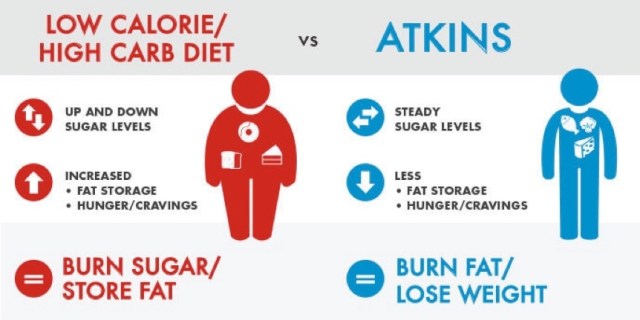
With Atkins, you will choose food, not calories. While quantity plays some role, it's far more important to know what your body does with what you eat. The Atkins way satisfies the body, creating greater energy, a steady fat burning metabolism, and less stored fat. Many carbohydrates are really just complex sugars, and when there is too much sugar in your bloodstream, your body stores it as fat. A low carb diet focuses on limiting carbohydrates to help the body burn fat instead of sugar for fuel. This results in you feeling more satisfied and creates more energy, a higher metabolism, and less stored fat.
What does it mean to live a Low Carb Lifestyle?
Introduction to the Atkins® Low Carb Diet & Types of Low Carb Diets
After limiting his patients' intake of sugar and carbohydrates, Dr. Atkins, a well-known cardiologist, observed that eating right—not less—improved his patients' health, contributed to weight loss, and reduced chronic health issues. Over the last 45 years, mounting evidence has supported Dr. Atkins' low carb diet findings.
Who is the Low Carb Diet For?
A low carb diet is for anyone* who wants to improve their health! There are many different types of low carb diets, and not everyone's body responds the same way to every method. The key is finding a match for your body and metabolism. Whether you are looking to lose weight, maintain a healthy lifestyle, are just starting out with your low carb lifestyle, or you have previously been unsuccessful on other diets, there is an Atkins plan for you.
*Consult your physician before starting any diet plan
Why is Atkins Different?
Atkins 20®, Atkins 40® and Atkins 100™ low carb approach is designed to "flip the body's metabolic switch" from burning carbs to burning fat. Unlike other low carb diets, Atkins gradual carb introduction limits blood sugar and insulin spikes, which helps avoid hunger and cravings that can result in overeating and weight gain. And not only is Atkins easier to follow than some other low carb diets, with you also get more food choices and a better balance of protein, macronutrients, healthy fats, and fiber. Independent peer review published studies have demonstrated that the low carb Atkins Diet improves health markers for heart disease, insulin resistance, diabetes, among other health benefits.
Why is Atkins different from other low carb diets? Compare here!
Low Calorie
Keto
Mediterranean
Paleo
Optimal Protein
Yes
No
No
No
No
Easy to Follow
Yes
No
No
No
No
May Help Control Blood Sugar Levels
Yes
No
Yes
Yes
Yes
Avoids Processed Foods with Added Sugars
Yes
No
Yes
Yes
Yes
Atkins
Optimal Protein
Easy to Follow
May Help Control Blood Sugar Levels
Avoids Processed Foods with Added Sugars
Low Calorie
Optimal Protein
Easy to Follow
May Help Control Blood Sugar Levels
Avoids Processed Foods with Added Sugars
Keto
Optimal Protein
Easy to Follow
May Help Control Blood Sugar Levels
Avoids Processed Foods with Added Sugars
Mediterranean
Optimal Protein
Easy to Follow
May Help Control Blood Sugar Levels
Avoids Processed Foods with Added Sugars
Paleo
Optimal Protein
Easy to Follow
May Help Control Blood Sugar Levels
Avoids Processed Foods with Added Sugars
Want an in depth look at how Atkins stacks up?
See More »
Not Sure Where You Fit?
Choosing the right plan will depend on your weight loss goals, your current weight, and your lifestyle. Answer a few questions using this guide to get started.
Customize Your Plan
Types of Low Carb Diets
Atkins 20®
More than 40 pounds to lose
Waist over 35″ (women) or 40″ (men)
Pre-diabetic or diabetic*
Atkins 40®
Less than 40 pounds to lose
Wider variety of food choices
Breastfeeding with goal of gradual weight loss
Pre-diabetic or diabetic*
Atkins 100™
Want to live a healthy lifestyle and maintain my current weight
Wider variety of choices
Breastfeeding with goal to maintain weight*
Pregnant*
* Consult your physician before starting any diet plan
What to Eat on a Low Carb Diet
The Atkins 20 plan consists of four low carb phases, with gradual increased carb intake for each phase. Depending on your needs, you will start in the phase that allows you to find the ideal carbohydrate balance for weight loss or maintenance. Although each phase has its own specific eating requirements, Atkins dieters are encouraged to eat an array of delicious and healthy food options to maintain and change their eating habits as they progress through the phases.
Atkins 20 Low Carb Diet Works in Phases
Phase 1
Phase 1 Acceptable Foods
In Phase 1 (Induction), your starting point is 20 grams of net carbs a day. During this phase you can enjoy low carb foundation vegetables, proteins, healthy fats, and 4 ounces of hard cheese. Never starve yourself or go more than 3-4 hours during the day without eating. Familiarize yourself with the acceptable foods list, plan ahead, and drink plenty of water!
Phase 2
Phase 2 Acceptable Foods
Phase 2 is about balancing your diet and maintaining your momentum from Phase 1. Your net carb intake will increase and your list of acceptable foods will grow to include berries, melon, cottage cheese, yogurt and other full-fat dairy, and more. The goal in this phase is to reintroduce a variety of carbs to continue your healthy weight loss in a way that is sustainable.
Phase 3
Phase 3 Acceptable Foods
Phase 3 is designed for fine-tuning your low carb diet to maintain your weight loss and new healthy lifestyle. In this phase, you will introduce small amounts of starchy vegetables, fruits and grains, noting which foods contribute to new cravings or slowed progress, then scaling back if needed. Phase 3 lasts until you reach and maintain your target weight for a full month.
Phase 4
Phase 4 Acceptable Foods
Phase 4 is also known as Lifetime Maintenance, and for good reason. This is not so much a phase as it is about continuing your new healthy, low carb lifestyle and saying goodbye to on-again, off-again diets for good. The acceptable foods in this phase are the same foods you have already been eating, as long as you maintain your weight.
Learn more about Atkins 20 »
Atkins 40 Low Carb Diet Is About Eating Right, Not Less
Atkins 40 is an easy low carb diet plan for those with less than 40 pounds to lose. You start by eating 40 grams of net carbs, 4 to 6-ounce servings of protein and 2 to 4 servings of fat per day. As you approach your weight loss goals, you start to increase your carbohydrate intake. By offering flexible eating options and a variety of food choices, it is simple to follow and easy to lose weight on Atkins 40 from day one.
Learn more about Atkins 40 »
Atkins 100 is the Easy and Effective Low Carb Lifestyle
Atkins 100 is an easy low carb plan based on portion control and eating 100g net carbs per day. If you want to live a healthy lifestyle and maintain your current weight, want the widest variety of food choices are breastfeeding with the goal to maintain your weight* or are pregnant*, Atkins 100 could be a great fit for you. With Atkins 100 you can enjoy a range of food that you choose from. From protein, healthy fats , lots of veggies to whole grains and starchy vegetables , there is an extensive list of food to plan your meals around while maintaining a healthy weight and feeling satisfied.
* Consult your physician before starting any diet plan
Learn more about Atkins 100 »
Foods to Eat
Lower Sugar Fruit
Naturally occurring sugars found in many fruits are perfectly acceptable. Low sugar fruit such as berries, cherries, and melon have many health benefits and are packed with vitamins, minerals and antioxidants.
Complex Carbohydrates
Not all carbs are created equal. Eat more of the good carbohydrates, such as those found in foundation vegetables, legumes, and unprocessed high fiber whole grains, and less of the bad (carbs that are refined and highly processed) to avoid added sugars and weight gain. The best kinds of carbs are those that do not raise blood sugar quickly or too high, but provide a lot of nutrition.
Fiber Rich, Nutrient Dense Vegetables
Unprocessed, whole foods like vegetables are essential to your low carb diet. Foundation vegetables are a rich source of vitamins, minerals, antioxidants, and plant compounds which protect against cancer, heart disease, inflammation, and other illnesses. Additionally, carbohydrates from vegetables are a dietary source of fiber.
Foods To Avoid
Sugar
Living low carb means avoiding foods with added sugars such as processed cookies, cake, candy, pastries, and soft drinks. Eating more nutrient-dense, whole foods instead of those with added sugars will help you stay on track with your low carb diet.
Simple Carbohydrates
Simple carbs are also filled with hidden sugars that can lower your energy and impede your weight loss progress. Simple carbs include many processed carbohydrates and can be found in juices, breads, cereals, dried fruit, to name a few.
Starch
Starchy foods to avoid include many simple carbs like bread, pasta, and rice as well as potatoes, french fries, chips, and corn. Some low starch vegetables may be added back into your low carb diet in later phases as you approach your target weight.
Recipes and Meal Plans
Thinking About Getting Started?
With several free weight loss guides, tools, carb trackers, 1,600+ low carb recipes, and a community to cheer you on, getting started—and sticking—with Atkins has never been easier.
See Our Tips & Tricks
How Low Carb Recipes Support a Healthier Lifestyle
6 Tips on How To Sleep Better At Night
Follow these tips to get your best night's sleep and learn why sleep is an essential component of any healthy lifestyle.
Read More »
Post Pregnancy Weight Loss Tips & Meal Ideas
Lose weight the healthy way without depriving yourself of delicious and satisfying food with these post pregnancy tips and meal ideas.
Read More »
14 Tips for a Low Carb Holiday
These Atkins healthy holiday tips will help you maintain your low carb diet without missing out on enjoying delicious holiday food.
Read More »
Road Trip Low Carb Snack Ideas
Use these snack suggestions and tips for living low carb on-the-go and making your road trip enjoyable for everyone.
Read More »
Learn more about the Atkins lifestyle in our blog »
Benefits of a Low Carb Diet
The Benefits of a Low Carb Diet
Weight Loss*
You may lose weight and keep it off
Many have been shown to burn fat instead of sugar for more energy
Eat a nutritious diet that has been shown to balance your metabolism.
* The average person can expect to lose 1-2 lbs. per week. Results may vary. Weight loss is influenced by exercise, food consumed and diet.
Mind
May improve mental clarity and memory
May reduce headaches and migraines
Has been shown to boost brainpower
Could reduce the number of seizures suffered by people with epilepsy
Overall Health
May reduce risk factors for heart disease, insulin resistance, and diabetes
Could reduce markers of inflammation and other chronic health issues
Has been shown to improve cholesterol profile
May improve digestion issues such as indigestion
Lifestyle
May increase your energy throughout the entire day
Has been shown to make you feel full and satisfied
Could reduce cravings
Get Started on Smarter Weight Loss »
Does a Low Carb Diet Work?
Overwhelmingly, yes!
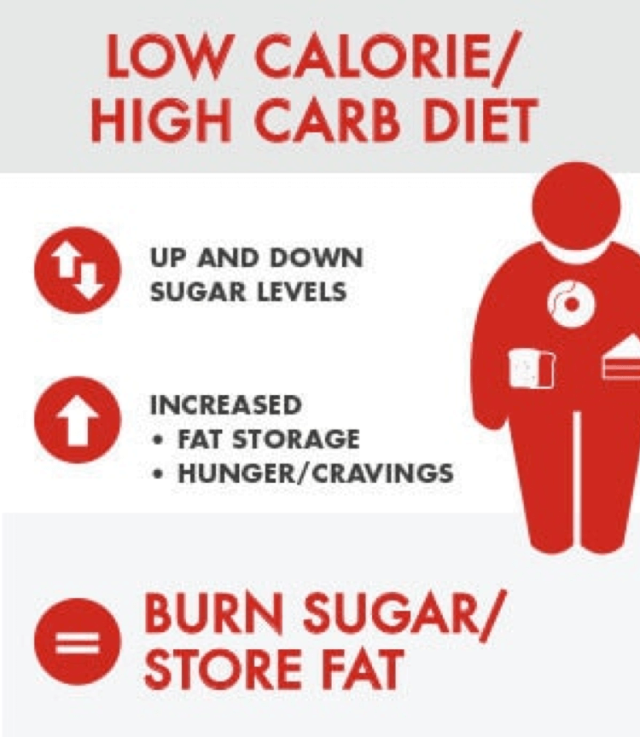
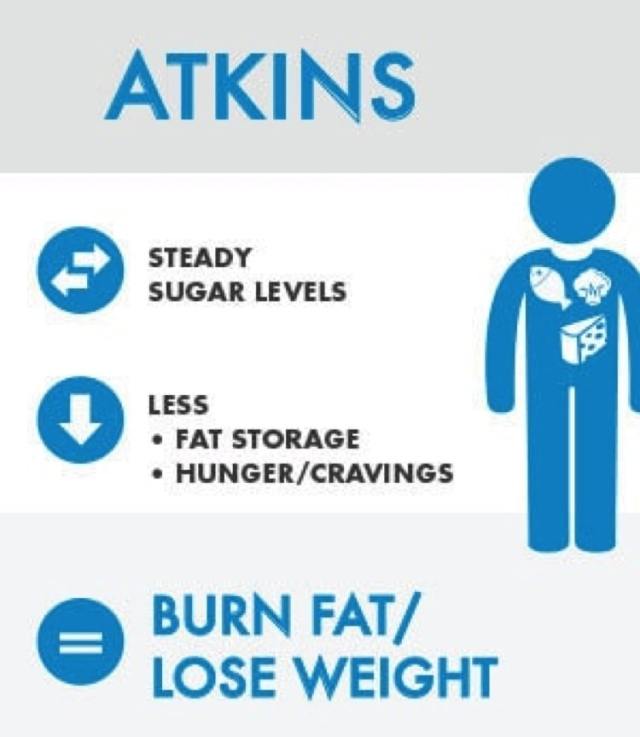
A typical diet reduces calories, but is still high in carbohydrates (and sugar). Many people on a low calorie diet constantly cycle between sugar highs and lows, leaving them more fatigued and hungry and without any weight loss. With a low carb diet like Atkins, limiting your carbohydrates means your body steadily burns fat for fuel, which contributes to higher, consistent energy levels throughout the day, allowing you to reach weight loss and weight maintenance goals. Learn to eat right, not less with Atkins.
With Atkins, you're not just choosing meals, you're choosing a community and lifestyle.